• Enterprise AI Architecture
  • Agentic AI Systems
  • AI Product Engineering
  • GeoAI & Risk Intelligence
  • Technical Leadership & Engineering Strategy

I Don’t Build Models in Isolation.I Build IntelligentSystems That Scale.

Enterprise AI Architect · Forward Deployed Engineer

Founder, Saffronyx.in

I design enterprise AI systems that connect business knowledge, intelligent agents, and domain-specific data to real-world decisions. My focus is on the complete system — architecture, retrieval, orchestration, evaluation, integration, and operational reliability.

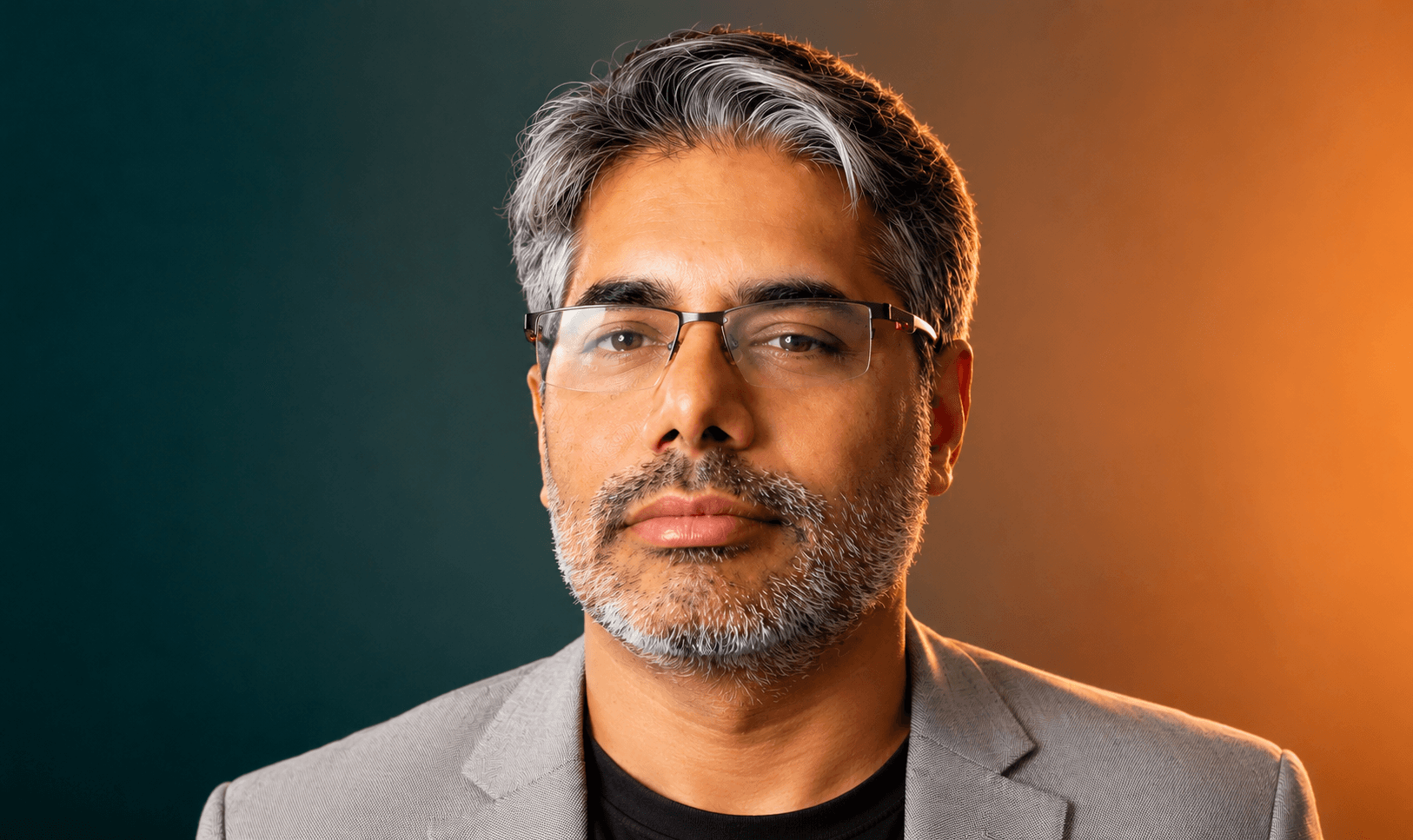
Mahesh Kumar, Enterprise AI Architect and Forward Deployed Engineer

Mahesh Kumar

Enterprise AI Architect

Founder, Saffronyx.in

  1. 01Context & Data
  2. 02Knowledge & Retrieval
  3. 03Models & Agents
  4. 04Tools & System Integration
  5. 05Business Decision & Outcome
  6. Evaluation feedback improves the system

Illustrative structure, not a literal claim that every AI application must follow this exact execution order.

About Me

From Engineering the Physical World
to Engineering Intelligent Systems

My journey into AI didn’t begin with a machine-learning course. It began with civil engineering — and a career of building on every layer since.

Civil to AI

One continuous engineering career

Risk & Spatial

Insurance, catastrophe, and geospatial depth

US · UK · APAC

International Experience

The Foundation

01

Civil Engineering

The Foundation

Civil Engineering

My undergraduate degree in Civil Engineering grounded me in the physical world — topographic surveying, cadastral mapping, hydrology, and infrastructure. It taught me how environments are measured, modeled, and represented as data.

Spatial Intelligence

02

GIS & Remote Sensing

From Maps & Models

To Spatial Intelligence

I pursued a Master’s in Geographic Information Science at the University of South Carolina, studying under Dr. John R. Jensen, a leading authority in remote sensing and GIS — shaping how I think about spatial data, image processing, and the transformation of raw measurements into meaningful information.

Geospatial Engineering

03

Flood & Hazard Intelligence

From Spatial Data

To Flood & Hazard Intelligence

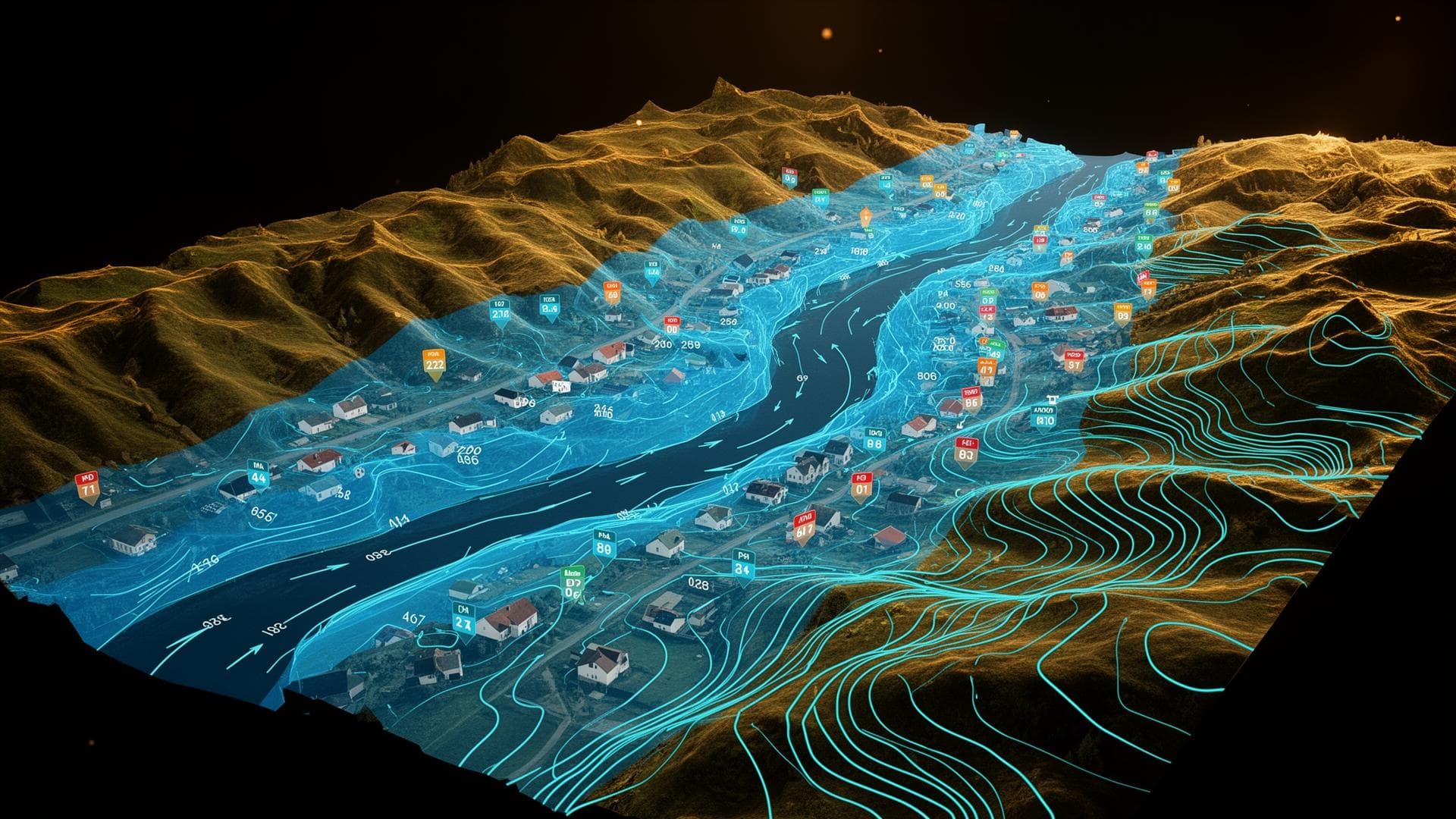
From there, I moved into geospatial engineering, terrain analysis, and flood intelligence — working with GIS, hydrology, remote sensing, and automated spatial analysis, including work supporting land development studies and flood management.

Real Assets. Real Consequences.

04

Insurance Risk Analytics

From Risk Intelligence

To Insurance & Catastrophe Analytics

My career then evolved into insurance risk engineering and catastrophe risk analytics, where technology had to work in the context of real businesses, real assets, and real financial consequences. I worked across the United States, United Kingdom, European, and Southeast Asian insurance markets, combining client exposure information with hazard, vulnerability, geospatial, and catastrophe-model data to evaluate risk.

This was a client-facing phase — risk surveys, technical discussions, and training across risk engineering, account engineering, and underwriting teams.

From Data to Decisions

05

AI Systems

From AI Engineering

To Enterprise AI

Working with real client data made the next evolution inevitable. The problems increasingly involved heterogeneous datasets — exposure, hazard, claims, and spatial outputs. I moved toward automation, data engineering, machine learning, and predictive analytics.

Engineering → GIS → Remote Sensing → Spatial Intelligence → Flood & Hazard → Insurance Risk Analytics → Data Engineering → Machine Learning → Generative AI → Enterprise AI

Today, I design and build intelligent systems — from RAG and agentic systems to knowledge platforms and GeoAI — that move AI beyond experimentation into operational environments.

Currently Building

Saffronyx.in

AI Product Engineering Studio

Enterprise AI products across GenAI, risk intelligence, RAG, agentic systems, and GeoAI.

GenAIRAGAgentsRisk IntelligenceGeoAI

From intelligence to impact.

My career didn’t start in AI. It started with a theodolite and a topographic map — and everything since has been about turning messy, physical data into decisions that matter.
Engineering · GIS · AI
Systems Thinking

Enterprise AI Is a System Design Problem.

Model capability matters, but reliable enterprise AI depends on the system around it: context, data, retrieval, orchestration, evaluation, integration, and operational controls.

The Enterprise AI Architecture

  1. L2System Design · Centerpiece

    This is the work

    “The architecture around the model matters more than the model.”

    Design the components and controls that make the model useful, reliable, and governable in a real workflow. Orchestration, retrieval, validation, and fallback logic determine end-to-end behavior.

    Knowledge
    RAG retrieval · Reranking
    Orchestration
    Agents · Routing · Tools
    Control
    Guardrails · Human-in-the-loop
    Reliability
    Fallbacks · Observability

Evaluate → Learn → Refine Context, Model & SystemMeasure outcomes, diagnose failures, and refine the context, model, and system design.

Three engineering principles

01

Define the decision first

Identify the decision the system must improve, who owns it, and what the cost of error looks like. This gives engineering a measurable objective.

02

Design for failure

Engineer for uncertainty with validation, guardrails, fallbacks, observability, and appropriate human review.

03

Measure the complete system

Evaluate end-to-end quality, latency, reliability, decision outcomes, and drift — not just model accuracy.

I used to think the challenge was gathering the right data. I now know the challenge is designing the decision the data needs to inform.
From a Career in Engineering
Skills

The Stack I'll Defend

Not the newest stack. The one I can explain end to end — from the data contract to the deployed decision.

Explore each capability to see the methods, technologies, and related projects behind it.

01

Enterprise AI Architecture & System Design

Reference architectures and system designs that bring models, data, APIs, and governance together.

API & data contractsModel routing & fallbackSecurity & governanceOAuth
02

Generative AI, LLMs & Multimodal Intelligence

LLM applications built around structured outputs, document intelligence, and multimodal inputs.

ClaudeStructured OutputsDocument QAMultimodal AI
03

RAG, Knowledge Engineering & Graph Intelligence

Grounded, cited retrieval over enterprise documents, structured data, and knowledge graphs.

Hybrid SearchRerankingGraphRAGCitations
04

Agentic AI, Orchestration & Workflow Automation

Stateful agents and workflows with tool use, approvals, and controlled execution.

LangGraphMCPTool callingHuman-in-the-loop
05

Forward Deployed Engineering & AI Product Delivery

Turning ambiguous operational problems into working, integrated AI products on real data.

Rapid prototypesFastAPINext.jsProduction hardening
06

Machine Learning, GeoAI & Risk Intelligence

Predictive modeling and geospatial intelligence for hazard, exposure, and risk decisions.

XGBoostPostGISRemote SensingCatastrophe Models
07

Data Platforms, Cloud, MLOps & AI Reliability

The data, cloud, MLOps, and evaluation foundations that keep AI systems reliable.

DockerKubernetesMLflowRAGAS

End-to-end delivery

Translating ambiguous business and operational problems into integrated AI products — while respecting real-world data, security, workflow, and reliability constraints.

  1. Discover
  2. Architect
  3. Build
  4. Integrate
  5. Evaluate
  6. Deploy
  7. Improve

Technologies I work with, including those used in the projects above — not a tools checklist.

The stack I defend isn’t the newest stack. It’s the one I can explain end to end — from the data contract to the deployed decision.
Systems Architecture
Domains

AI Architecture & End-to-End Delivery

From complex business problems toward production-ready intelligent systems.

I architect, engineer, integrate, and automate intelligent systems across the full AI delivery lifecycle — from problem discovery and solution design to data engineering, model integration, agentic workflows, deployment, evaluation, and continuous improvement.

My approach combines systems thinking, hands-on engineering, and domain understanding to turn AI concepts into usable products and operational capabilities. I focus not only on what AI can do, but on how it integrates with existing systems, automates real work, handles failure, and aims to deliver measurable business value.

01

Enterprise AI Architecture & System Design

Design the system before building the solution.

Potential deliverables

AI reference architecturesSystem design documentsArchitecture decision recordsTechnical blueprints

02

RAG, Knowledge & Agentic Systems

Turn enterprise information into grounded intelligence, and build agents that reason, use tools, and execute controlled workflows.

Potential deliverables

Enterprise RAG platformsKnowledge assistantsAI agentsMulti-agent workflows

03

Intelligent Process Automation & Forward Deployed Engineering

Automate work across people, applications, and data, alongside the people who experience the problem.

Potential deliverables

Automated business workflowsDocument processing pipelinesDomain-specific AI solutionsWorking prototypes

04

AI Product Engineering & Production Delivery

Move beyond demos to deployable, maintainable systems.

Potential deliverables

Deployable AI applicationsBackend APIsCloud-native AI servicesIntegrated product features

05

Evaluation, Observability & Reliability

Measure system quality instead of relying on impressive demonstrations.

Potential deliverables

AI evaluation pipelinesQuality dashboardsRegression test suitesObservability systems

End-to-End AI Delivery Framework

I approach AI engineering as a complete lifecycle, not a collection of disconnected tools.

Discover → Architect → Engineer → Automate → Integrate → Evaluate → Deploy → Operate → Improve

01

Discover

Understand the business problem, users, data, constraints, and success criteria.

02

Architect

Define the system design, components, interfaces, security boundaries, and evaluation strategy.

03

Engineer

Build the data pipelines, retrieval systems, models, agents, APIs, and application components.

04

Automate

Orchestrate repetitive tasks, business workflows, validation, and operational handoffs.

05

Integrate

Connect the solution to enterprise applications, tools, databases, and existing processes.

06

Evaluate

Test quality, correctness, reliability, safety, performance, and cost against explicit criteria.

07

Deploy

Package and release the system into the intended runtime environment.

08

Operate

Monitor behavior, errors, usage, performance, and operational health.

09

Improve

Use evaluation results, feedback, and observed failures to refine the system continuously.

Engineering Philosophy

Architect the whole system. Engineer the critical components. Automate the workflow. Integrate with real operations. Evaluate against measurable criteria. Deliver for sustained use.

My focus is on turning complex problems into intelligent systems that are technically sound, operationally useful, and designed to evolve.

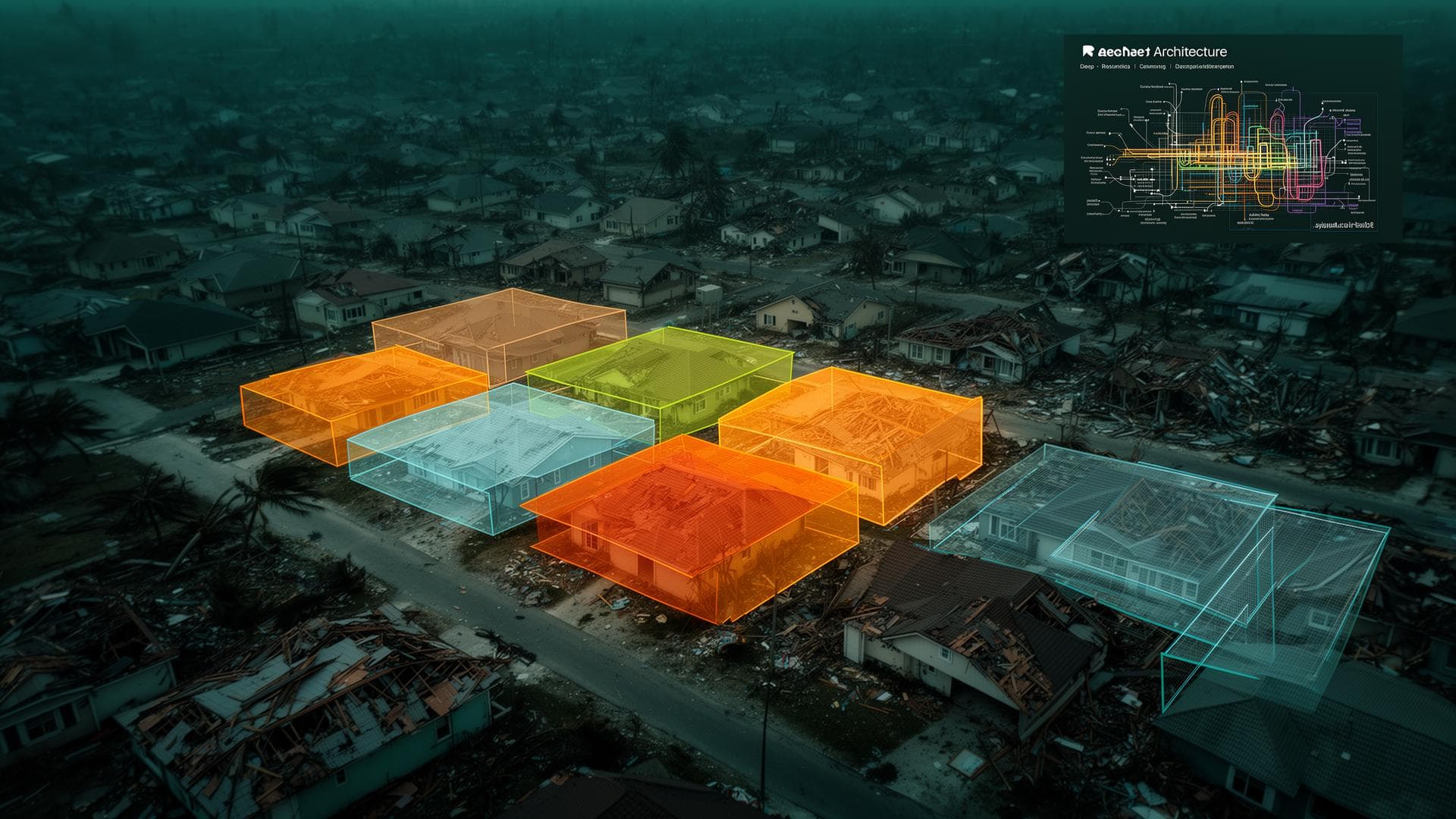
Architecture without delivery is a diagram. Delivery without architecture is a demo. I build both.
End-to-End AI Delivery
Career

An Engineering Evolution

Every role built on the last — from raw geospatial data to risk intelligence to enterprise AI.

Leadership & client engagement

Putting intelligence into the real world

Career evolution overview

  1. Civil Engineering
  2. GIS & Remote Sensing
  3. Spatial Intelligence
  4. Insurance Risk Analytics2015
  5. Machine Learning2019
  6. Generative AI2021
  7. Enterprise AI2026

2026 — Intelligence → Action

BUILD · DEPLOY · OPERATE → BUSINESS VALUE

BUILD
→
DEPLOY
→
OPERATE
→
VALUE
BUILD→DEPLOY→OPERATE→VALUE

Input

Complex enterprise problems

↓

Process

Architecture · system design · agentic orchestration

RAG · knowledge systems · intelligent workflows

Deployment · integration · business outcomes

↓

Output

AI systems that scale

“The full arc: GIS Research → Hazard Modeling → Flood Engineering → Insurance Risk Intelligence → NATCAT Systems → AI Architecture & Founding Saffronyx.”

Leadership & Impact

Making the Hard Stuff Legible

Turning engineering, risk, and technology complexity into practical knowledge for teams, clients, and decision-makers.

From Technical Analysis to Business Judgment

My experience in insurance and risk engineering taught me that identifying a hazard is only the beginning. The real value lies in translating technical evidence into better-informed decisions.

Through risk surveys, technical assessments, client discussions, and training, I worked with exposure, hazard, claims, and catastrophe-model data to turn findings into practical recommendations that supported underwriting decisions.

How it shapes my approach to enterprise AI

The value of intelligence is not in the model itself, but in the quality of the decision it enables.

Risk Engineering Enterprise AI

Risk Engineering asks: what decision about this risk? Enterprise AI asks: what decision from this knowledge? Hazard, exposure and claims evidence on one side, and documents, data and models on the other, both converge on a shared decision. Same fundamental philosophy, different technology.RISK ENGINEERINGWhat decision about this risk?DECISIONENTERPRISE AIWhat decision from this knowledge?Same fundamental philosophy.Different technology.

Four pillars of experience

01

Risk Engineering & Technical Leadership

  • Risk Engineering
  • CAT Modeling
  • Insurance
  • Risk Improvement
  • Mentored and trained risk engineers, CAT modelers, underwriters, and clients across global field engineering teams.
  • Developed and improved risk-evaluation guidelines and loss-estimation tools.
  • Provided technical guidance on flood, catastrophe, and multi-peril risk evaluation.
02

International Client & Field Engineering

  • US
  • UK
  • Europe
  • International Insurance Markets
  • Worked directly with clients on engineering, flood, catastrophe, and risk-analysis assignments across international insurance markets.
  • Carried out flood surveys across international assignments, turning what was seen in the field into practical risk-improvement recommendations.
  • Bridged engineering, insurance, underwriting, and technical teams to make complex risk information actionable.
03

Insurance Analytics & Decision Support

  • Exposure
  • Hazard
  • Claims
  • CAT Models
  • Underwriting
  • Supported underwriters with new-business evaluation and renewal reviews using hazard, exposure, claims, and CAT model data.
  • Helped assess engineering improvements and risk controls intended to reduce loss potential.
  • Developed global flood-hazard layers and validated them against local and official flood mapping.
04

Risk Improvement & Infrastructure

  • Loss Mitigation
  • Engineering Improvements
  • Risk Controls
  • Translated risk assessments into practical improvement measures for insurers and clients.
  • Supported more informed underwriting, portfolio decisions, and risk selection.
  • Worked on land-development studies and flood management, producing Digital Flood Insurance Rate Maps.

The Value Chain

Decision value chain: Engineering Assessment to Risk Analysis to Risk Improvement to Insurance Decision to Business Outcome.01Engineering Assessment02Risk Analysis03Risk Improvement04Insurance Decision05Business Outcome
Every engagement I take starts with the same question: what decision needs to be better, and who makes it?
Leadership
Projects

Enterprise AI Projects & System Architectures

Concepts, designs, demonstrable prototypes, and implemented systems across GenAI, ML, RAG, NLP, and Geospatial AI.

Repositories coming soon

Transaction inputCard / UPI event via REST APIFeature engineeringVelocity, device, merchant signalsXGBoost baselineMandatory benchmarkSENTRIX-LMDomain-adapted language modelPolicy & decision engineALLOW / REVIEW / BLOCK
Flagship 01GenAI · Fraud IntelligenceIn Development

SENTRIX AI — Fraud Intelligence Platform

Detect. Decide. Defend.

A fraud intelligence platform concept for card and UPI transaction risk assessment — combining engineered transaction features, an XGBoost baseline, a domain-adapted language model, and a policy engine to support explainable fraud decisions.

XGBoostSENTRIX-LMAWS EKSRedisFastAPITerraform
Submission ingestionPolicy docs, SOV, structured fieldsGeospatial enrichmentHazard scoring via PostGISCAT model integrationRMS / AIR outputs, calibratedML risk scoringXGBoost ensemble, key driversLangGraph orchestrationLLM memo with citations
Flagship 02GenAI · Insurance Risk · UnderwritingArchitecture & Design Complete

AEGIS AI — Insurance Risk & Underwriting Intelligence Engine

Assess. Underwrite. Defend.

An enterprise AI platform architecture combining ML-based risk scoring, CAT model intelligence, geospatial hazard analysis, and LLM-powered underwriting reasoning — designed to support defensible risk assessments and accelerate underwriting memo generation within the submission workflow.

XGBoostLangGraphLLM via Amazon BedrockPostGISFastAPIArcGIS
Product intakeS0–S4 discovery, BRD + PRDArchitectureHLD + LLD, diagram exportBuildSpecialist agents generate codeQualityTesting, security, performanceProductionCI/CD, monitoring, release
Flagship 03Agentic AI · Automation

ALEKHYA — Adaptive Lifecycle Engine

The Engineering OS for Intelligent Systems

ALEKHYA is an Adaptive Lifecycle Engine for Knowledge, Hybrid Systems & Automation — designed to help teams engineer intelligent systems through structured engineering, AI-powered automation, and continuous improvement.

Claude APILangGraphFastAPINext.jsPostgreSQLDocker

More Projects

InterviewteamAnalyzecorpusRankoptionsScaffold& eval

Agentic AI · RAG

AutoRAG — Architect AI

An AI engineering system for designing, configuring, and evaluating retrieval-augmented generation pipelines. Explores retrieval strategies, chunking approaches, reranking, and evaluation workflows to help engineers compare configurations and make evidence-based architecture decisions.

LangGraphClaudePinecone
Designed and demonstrableView Case Study
Portfolio+ CATVectorizeLangChainagentCitedinsights

GenAI · Risk Analytics

GenAI Risk Intelligence Platform

Enterprise AI platform integrating LLMs into catastrophe risk modeling workflows. Automated insight generation from multi-peril portfolio data using LangChain, Amazon Bedrock, and AWS.

LangChainLLM via Amazon BedrockPython
Implemented in an enterprise risk analytics contextView Case Study
FeaturesAutoMLsweepMLflowtrackingFastAPIscoring

Machine Learning

ML-Powered Predictive Analytics Engine

End-to-end ML pipeline for insurance loss prediction — ensemble methods, 200+ engineered features, and real-time scoring API.

XGBoostLightGBMscikit-learn
ImplementedView Case Study

Deep Learning · Vision

Deep Learning — Damage Classification

ResNet transfer-learning system for post-disaster property damage classification across 5 severity levels — deployed on SageMaker for batch and real-time claims triage.

PyTorchResNetTransfer Learning
ImplementedView Case Study
TileimageryYOLOv8detectU-NetsegmentPostGIS& tiles

Computer Vision · GeoAI

Computer Vision — Satellite Imagery Analysis

YOLOv8 + U-Net pipeline processing satellite imagery for building detection, flood extent estimation, and infrastructure mapping at scale.

YOLOv8U-NetOpenCV
ImplementedView Case Study
OCR &layoutExtractclausesNormalizeSearchindex

NLP · Transformers · Policy Analysis

NLP — Transformer-Based Policy & Regulatory Intelligence

Domain fine-tuned BERT + GPT pipeline for clause extraction from insurance policies and regulatory filings — building a searchable knowledge layer for underwriters and compliance analysts.

TransformersBERTspaCy
ImplementedView Case Study
Chunk &embedHybridretrievalRe-rankCitedanswer

GenAI · RAG

RAG Pipeline — Insurance Documents

RAG pipeline for querying insurance policy corpora — hybrid BM25 + vector retrieval with citation prompting for grounded natural-language answers.

FastAPIHugging FaceVector DB
ImplementedView Case Study
SatelliteimageryCVmodelsPostGISexposureRiskscoring

GeoAI · Risk

Geospatial AI Analytics Engine

Geospatial AI platform combining satellite imagery and spatial data for hazard classification, exposure analytics, and risk scoring across global portfolios.

TensorFlowArcGISComputer Vision
ImplementedView Case Study
OCRNERextractValidaterulesHumanreview

NLP · Claims Operations · OCR

NLP — Claims & Endorsement Processing Pipeline

OCR + NER pipeline extracting structured fields from scanned claims documents and endorsements — with business rule validation and human-in-the-loop review before writing to downstream systems.

spaCyPyTorchElasticsearch
ImplementedView Case Study
CAT modeloutputsLosshistoryXGBoostcalibratePortfolioview

CAT Modeling · ML

Insurance Loss Estimation Engine

XGBoost calibration layer on commercial CAT model outputs — trained per peril against internal claims experience, blended into portfolio views and event response packs.

PythonXGBoostRMS RiskLink
ImplementedView Case Study
GeocodeSatellitetilesDLclassifyPostGISstore

GIS · Remote Sensing

GIS-Powered Exposure Analytics

Deep learning classifiers over satellite imagery enriching property portfolios with structural and environmental attributes stored in PostGIS.

ArcGISQGISDeep Learning
ImplementedView Case Study

GIS · Hydrology · ML

GIS Flood Risk Modeling Platform

LiDAR DEM + hydrological simulation + Random Forest inundation model producing property-level flood scores at country scale.

PostGISQGISLiDAR
ImplementedView Case Study
ParsepacketXGBoostscoringLLMmemoReview &finalize

GenAI + ML · Underwriting

GenAI + ML Underwriting Copilot

XGBoost risk scoring + LangChain LLM reasoning producing cited underwriting recommendations from submission data — reviewed in a Streamlit workspace.

LLM (GPT-family)XGBoostLangChain
ImplementedView Case Study
I don’t build AI systems to demonstrate a capability. I build them to close the gap between a business problem and a defensible decision.
Projects
Open SourceCommunity · Engineering · Knowledge SharingIn development

Built to Share. Built to Last.

Engineering patterns for the AI community — reusable architectures, retrieval pipelines, agentic workflows, and geospatial intelligence tools shaped by real-world engineering challenges.

Explore emkays-codelabs on GitHub (opens in a new tab)

Projects in the pipeline

  • RAG Enterprise Kit

    A reference architecture for enterprise retrieval-augmented generation, covering hybrid retrieval, citation support, API integration, and containerized deployment.

    • RAG
    • LangChain
    • FastAPI
    • Vector Search
    Planned projectPython
  • GeoAI Risk Tools

    Geospatial intelligence patterns for insurance and climate risk, including property-level scoring, satellite imagery workflows, and spatial database integration.

    • GeoAI
    • ArcGIS
    • PostGIS
    • Computer Vision
    Planned projectPython
  • LangChain Enterprise Patterns

    Reusable patterns for authorization-aware agents, memory management, multi-tenant retrieval, and guardrail integration.

    • LangChain
    • LangGraph
    • Agentic AI
    • Guardrails
    Planned projectPython

Planned projects — repositories will be linked here once they are published.

Open source is how I give back to a field that gave me the tools to go from flood maps to fraud intelligence.
Community · Engineering
Services

What I Can Build With You

I design and engineer AI systems that solve real operational problems — from architecture and data pipelines to intelligent workflows, enterprise integration, evaluation, and deployment.

Whether you need architectural direction, a focused AI capability, or end-to-end engineering, the engagement starts with your problem, your data, and the environment in which the system must work.

Delivery lifecycle

  • 01
    Flagship

    Enterprise AI & Agentic Systems

    Design and engineer a defined AI application or intelligent workflow that connects LLMs, tools, enterprise knowledge, and business logic.

    Scope

    • Agent workflows
    • Tool integrations
    • Retrieval
    • Human approval

    Potential deliverables

    • Architecture specification
    • Working workflow
    • Integration contracts
    • Evaluation suite

    Engagement

    Architecture Sprint · Engineering Sprint · Enterprise Engagement

    Discuss this service: Enterprise AI & Agentic Systems
  • 02

    RAG & Knowledge Systems

    Turn enterprise documents, structured data, and knowledge into a grounded, cited retrieval capability. Can be engaged independently of a full agentic system.

    Scope

    • Document ingestion
    • Hybrid retrieval
    • Reranking
    • Citations

    Potential deliverables

    • Retrieval evaluation
    • Knowledge integration
    • Grounded, cited answers

    Engagement

    Discovery · Sprint · Platform Build

    Discuss this service: RAG & Knowledge Systems
  • 03

    ML & Data Engineering

    Design data and machine-learning pipelines that move beyond notebooks into repeatable, monitored systems that operate reliably.

    Scope

    • Data contracts
    • Validation
    • Feature engineering
    • Model serving

    Potential deliverables

    • Pipeline monitoring
    • Reproducible deployments
    • Data & model pipelines

    Engagement

    Architecture Review · Engineering Sprint

    Discuss this service: ML & Data Engineering
  • 04
    Flagship

    Geospatial AI & Risk Intelligence

    Combine geospatial data, remote sensing, terrain information, and machine learning to build spatial intelligence for risk and operational decisions.

    Scope

    • Insurance exposure
    • Hazard intelligence
    • Catastrophe analytics
    • Flood risk

    Potential deliverables

    • Spatial decision support
    • Hazard layers
    • Risk intelligence outputs

    Engagement

    Discovery · Platform Build · Enterprise Engagement

    Discuss this service: Geospatial AI & Risk Intelligence
  • 05

    AI Architecture & Advisory

    Help leadership teams determine where AI creates value, what should be built, and how it should operate — direction before or alongside implementation.

    Scope

    • Architecture assessment
    • Use-case prioritization
    • Build-versus-buy
    • Risk reviews

    Potential deliverables

    • Implementation roadmap
    • Assessment findings
    • Prioritized use cases

    Engagement

    Advisory · Discovery Sprint

    Discuss this service: AI Architecture & Advisory
  • 06
    Enterprise

    Enterprise AI Engineering

    A broader engagement for organizations moving from pilot to production across several workstreams — architecture, build, deployment, and enablement.

    Scope

    • Existing-system integration
    • Production rollout
    • Engineering enablement
    • Multiple workstreams

    Potential deliverables

    • Integrated enterprise solution
    • Rollout plan
    • Team enablement

    Engagement

    Enterprise Engagement

    Discuss this service: Enterprise AI Engineering

Deliverables are examples, not a claim that every engagement includes all of them.

See how every engagement is structured in the Process section.

Good engineering makes complexity coherent. The result is a system whose architecture, behavior, and operational purpose can be explained and defended.

Start a Discovery Conversation

“I don’t start with a model or a framework. I start with the problem, the data, the users, and the operational environment — then design the smallest system that can create measurable value.”

Process

The System Behind the System

How every engagement is structured — from the first conversation to a system in production.

  1. Principle

    Name the decision before writing a line of code.

    The question this phase answers

    “What outcome does this system need to enable — and for whom?”

    What this involves

    • Map the organization: who decides, who uses the system, what data exists.
    • Name the one thing the AI must get right — and the cost of getting it wrong.
    • Audit current processes to find where AI adds value vs. where it adds complexity.
    • Define success in measurable terms before architecture begins.

Continuous improvement: operational feedback → evaluation → refinement → redeployment

The principle

Validate against the decision, not just the model.

Does this system produce reliable, useful decisions under real operating conditions?

  • Decision quality
  • Real data & edge cases
  • Human-in-the-loop paths
  • Operational reliability

Ready to apply this to your problem? Every engagement starts with a discovery conversation, not a proposal.

Start a Discovery Conversation
A good process is invisible in the output. You see the architecture, the working system — and you don’t see the decisions that made it coherent.
Engineering Discipline

Education

2001

B.Tech Civil Engineering

S.V. University, India

Engineering Foundation

2003

M.S. GIS & Remote Sensing

University of South Carolina, USA

Under Dr. John R. Jensen

Spatial Intelligence Foundation

My formal training was in civil engineering and geospatial science. My real education has been a long run of being wrong in interesting ways.
Education

Have a system to build?

Let's build intelligent systems together.

Bring me the business problem, the data, and the decision that needs to improve. Let's explore what we can build.

Book a Discovery Call
Get in touch

Tell me about your project.

Share the business challenge, the current technology stack, and your expected timeline.

Mahesh Kumar

Mahesh Kumar

Enterprise AI Architect

Founder, Saffronyx.in
  • Free discovery call
  • Enterprise NDA friendly
  • Global remote consulting
  • Open to long-term engagements

Project inquiry

Fields marked * are required.

Bring me the decision that has to be right. We’ll build the system around it.
Let's Work Together